The Scorebug Is Not Just a Graphic. It Is a Live Production Workflow.
Where Scorebug Workflows Create Friction
In live sports, the scorebug is one of the most visible elements on screen. Viewers rely on it constantly, yet the real challenge is not just designing a bug that looks good. It is building a workflow around it that holds up under pressure.
For production teams, the scorebug is never just a graphic. It is part of a larger operating environment that has to support speed, consistency, brand integrity, and clean on-air execution. When scorebug and insert graphics live on separate systems, the result is often unnecessary complexity. Assets get duplicated. Branding can drift. Operators have to work around each other instead of in sync. And when the pressure rises, every extra step becomes more obvious.
Building a Better Scorebug Workflow With PRIME
That is why more broadcasters are rethinking the scorebug as part of a unified graphics workflow rather than as a standalone element. With PRIME Scorebug, teams can better align the bug with their insert graphics, streamline operator control, and reduce the friction that often comes with separate systems. The result is a cleaner, more efficient scorebug workflow that helps the entire show come together more smoothly.
The Core Problem: The Bug Is Not Just a Graphic. It Is a Workflow.
Traditional scorebug workflows often create invisible friction. Separate systems for scorebug and insert graphics can introduce coordination overhead, duplicate work, and make even small updates harder to manage. Something as simple as a brand refresh may require changes in multiple places, increasing the risk of mismatched colors, fonts, logos, or animation behavior.
On air, that fragmentation can create even bigger issues. If the bug and insert graphics are not designed to respect each other’s space, overlap and clutter become much more likely. Under live conditions, those problems do not stay hidden for long.
Real-World Sports Production Requires Flexible Scorebug Design
Sports production is not a lab environment. Camera angles change. Stadium placements create awkward framing. Broadcast partners bring different layout constraints. And sometimes the ideal scorebug position is simply not possible because of how the game is shot or where the action naturally lives in the frame. That makes flexibility just as important as consistency. A scorebug workflow has to work in the real world, not just in a design mockup.
That is where the challenge shifts from design to operation. The issue is not the scorebug itself. The issue is everything around it. Like how operators control it, how it fits into the rest of the graphics package, and how reliably it performs when production speed picks up. A better scorebug workflow reduces those seams and helps the entire broadcast operate more smoothly.
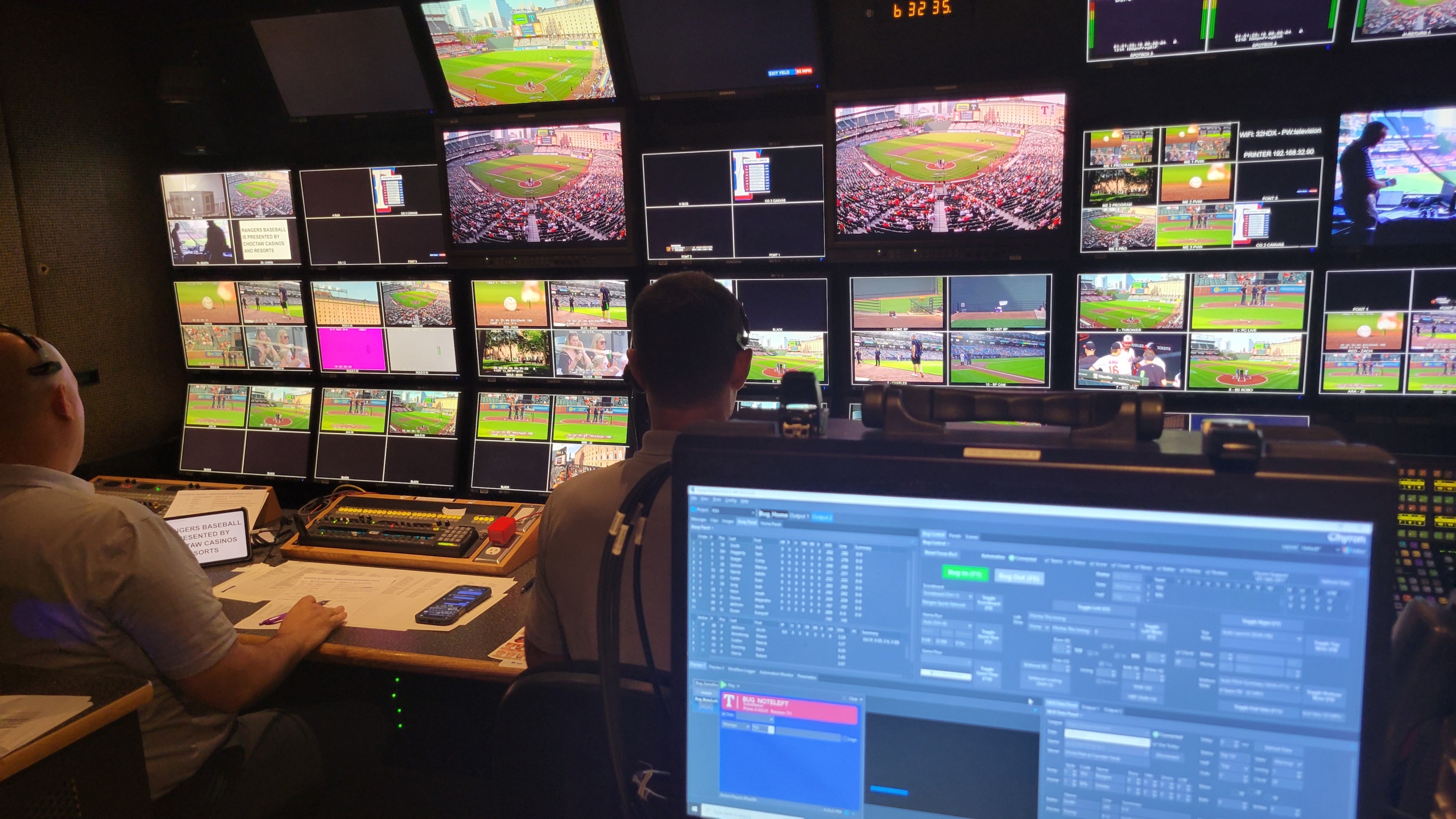
Team Broadcast Ops: Speed, Consistency, and a Show That Does Not Fight Itself
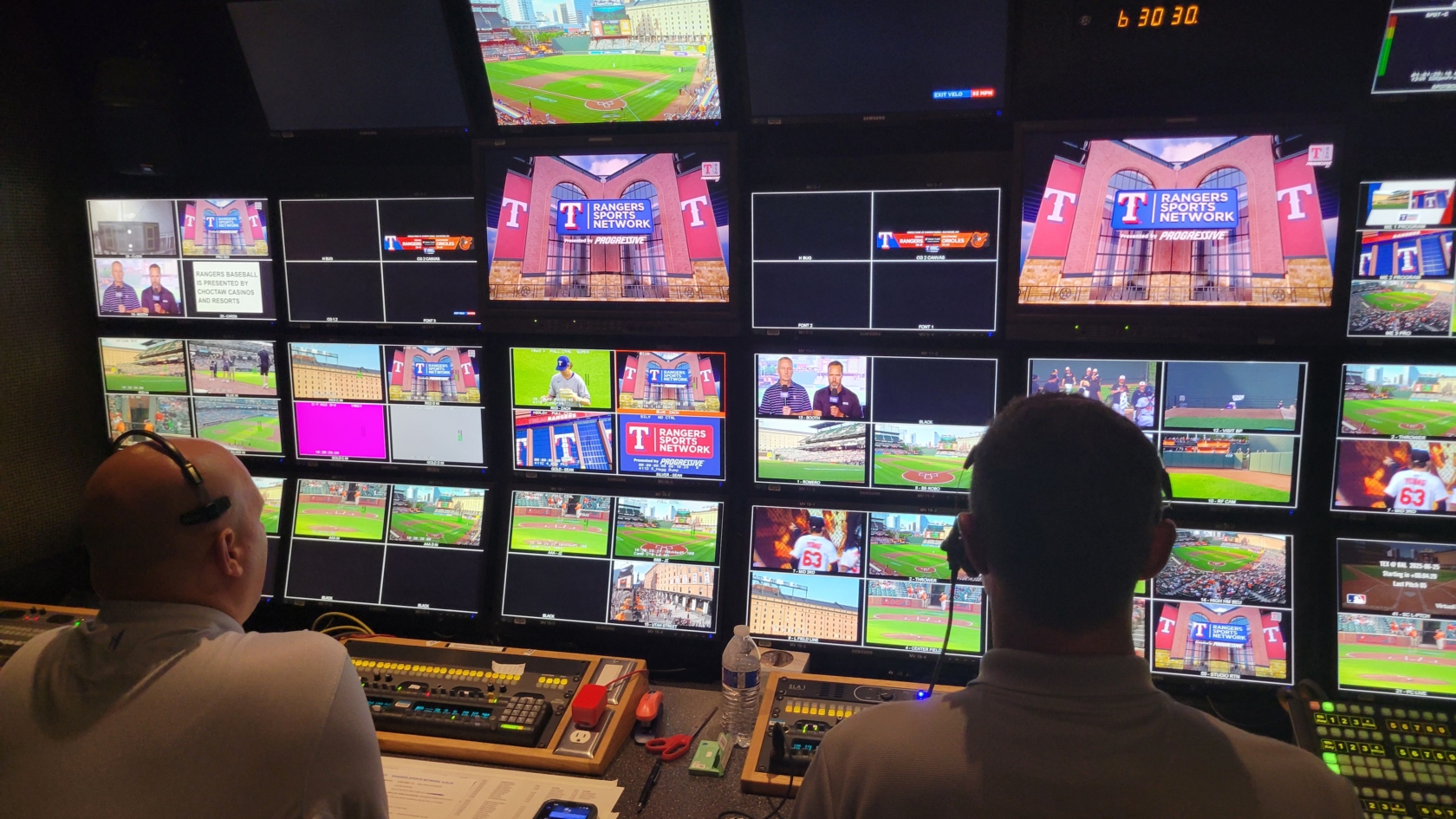
For team broadcast operations, the challenge is rarely creativity. More often, it is coordination. Across a long season, crews are balancing frequent games, changing show elements, sponsor needs, and high expectations from both fans and internal stakeholders. In that environment, the scorebug operator and the CG operator both need to move fast, and neither can afford uncertainty about what is going to happen on air.
PRIME Scorebug helps teams bring those responsibilities into a more connected workflow. Instead of managing the scorebug as a separate system, operators can align it more closely with insert graphics, simplify handoffs between roles, and reduce the friction that often shows up when multiple tools have to work together under live conditions.
Cleaner On-Air Coordination for Live Sports Production
One of the key advantages of PRIME Scorebug is how naturally it fits into live sports production. When the scorebug is built to work cleanly alongside the rest of the show, operators can work in parallel with fewer conflicts. That helps reduce last-second holds, avoid on-air collisions, and deliver a more polished viewer experience.
Brand Consistency Across the Graphics Workflow
Brand consistency is just as important. Teams often need to update graphics quickly for special events, themed nights, sponsor-driven changes, or postseason packages. When the scorebug is already integrated with the broader graphics environment, those updates become easier to manage through style sheets and shared assets that act as a single source of truth for the on-air package. Instead of rebuilding the same change in multiple places, teams can move faster with less rework, fewer mismatches, and more confidence that the show will stay visually consistent
For team operations, the result is cleaner on-air integration, faster execution, and branding that is easier to maintain over the course of a demanding season. More importantly, the PRIME Scorebug is not just helping teams create a better-looking bug. It helps them build a more unified graphics workflow that is easier to control, easier to scale, and better suited to the pace of live sports production.
Networks: Repeatable Workflows That Scale
In a network environment, the challenge expands. It is no longer about one team or one venue. It is about consistency across productions, control rooms, and rotating crews.
Standardization Across Shows and Crews
Networks need workflows that are repeatable. If a producer swaps in, a crew rotates, or a show moves to a different location, the output still needs to look and operate like the same brand. That makes the scorebug more than a design element. It becomes part of the network’s broader operating standard.
When the scorebug fits into the same platform and design language as the rest of the graphics package, crews do not have to keep switching mental models between tools. Training becomes more scalable. Day-to-day operation becomes more predictable. The number of exceptions operators have to remember goes down, and confidence goes up.
Control That Matches the Pace of Live Production
Control also matters. Live production demands speed and clarity. Operators need to find controls instantly, trigger changes confidently, and avoid deep-menu hunting while the director is calling shots. PRIME’s Master Control Panels are designed for exactly this kind of moment, giving teams a purpose-built control surface that can map one-to-one to how an operator actually thinks and works, especially for scoreboard and scorebug-driven interaction.
In practice, scorebug workflows rely on a series of repetitive but mission-critical actions. These include score changes, clock control, inning or period transitions, possession indicators, and other context-driven states. MCPs help turn that into a more streamlined experience, with fewer clicks, more consistent placement of controls, and a UI that aligns with the cadence of the show.
A More Resilient Approach at Scale
As operations scale across more games, more operators, more venues, and more remote workflows, standardization does more than simplify a single broadcast. It helps make an entire season easier to manage.
Scalability only matters if the system can hold up under pressure. In live production, reliability is what keeps everything moving. If a show depends on a single fragile chain, every operator feels it. Teams want confidence not only that the bug looks right, but that the broader system can recover when something unexpected happens.
One of the strongest customer themes was the comfort of knowing that if something fails, another PRIME machine can step in and keep production moving. That kind of backup matters because the scorebug is the one element you cannot lose without immediately affecting the viewer experience.
Why It Matters to Networks
Just as importantly, teams are looking for confidence across the full workflow. Confidence that the scorebug and graphics will work, confidence that they will look right, and confidence that the crew can rely on the system under pressure.
For networks, that translates into operational consistency, more scalable training, and a workflow that holds together even as shows, crews, and requirements change.
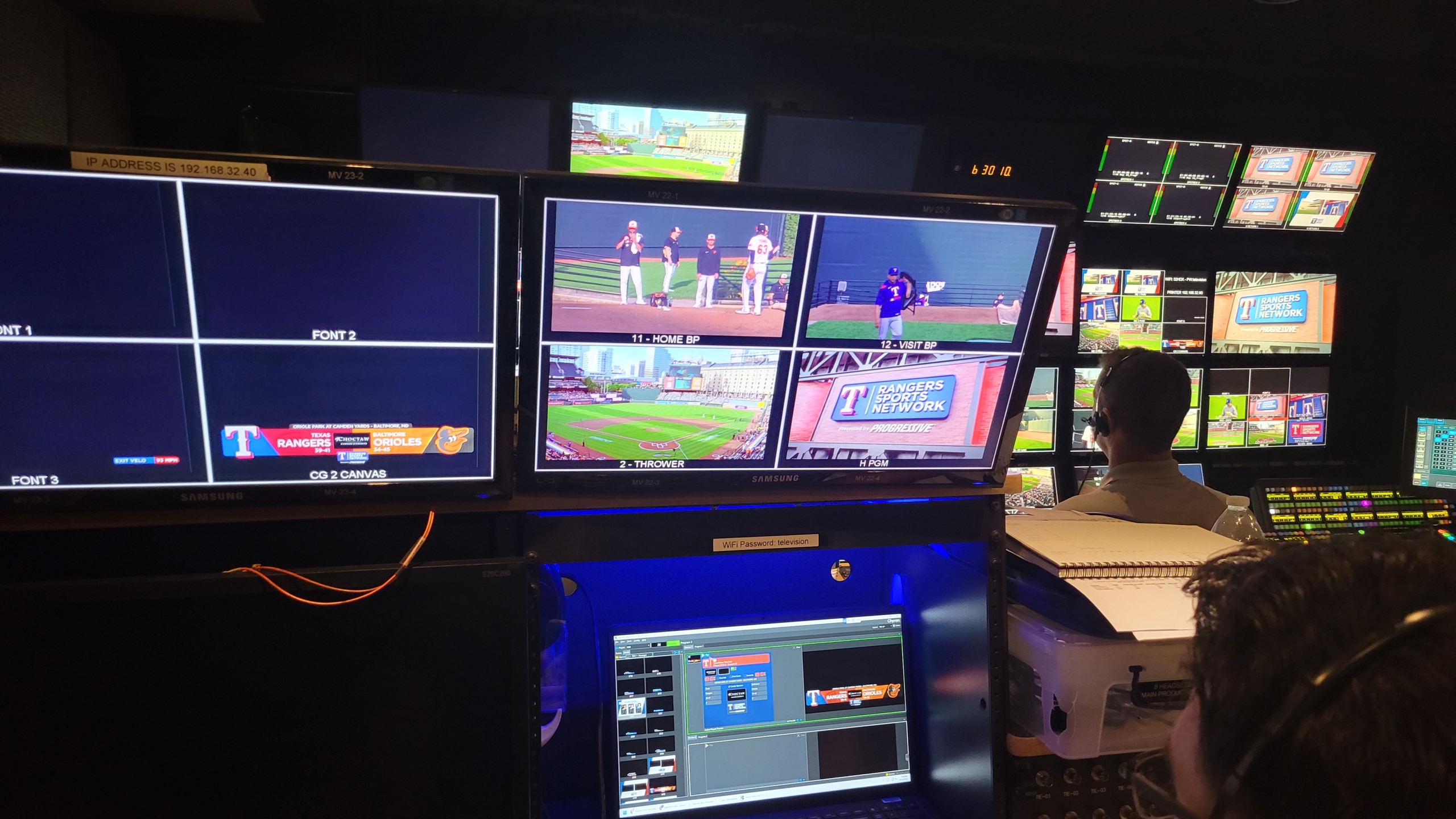
College Athletics: Professional Results With Lean Crews
College athletics programs often face a different kind of pressure. Staffs are leaner. Turnover is higher. Operators may be newer. Yet the expectation for a professional-looking show remains.
Approachable Scorebug Workflows for College Athletics
In that environment, the scorebug still has to be reliable, and the workflow has to be approachable. Operators need a system they can learn quickly and use confidently under pressure. That makes simplicity and guardrails especially valuable.
A control panel designed around the operator’s real tasks can reduce cognitive load significantly. Instead of memorizing a deeper technical workflow, newer users can focus on the handful of actions they need most: updating score, changing period or inning, managing clock states, and triggering key contextual elements cleanly and consistently.
Flexible Scorebug Design for College Sports
Flexibility also matters. A standard scorebug layout may work for most productions, but different venues and camera positions often create framing challenges. Modern design patterns like a split bug can help solve for that. One customer pointed to the split bug as a more flexible approach, especially because it allowed stats or other elements to pop off the core bug. That kind of modular thinking gives college programs room to adapt to real production constraints without compromising the overall look and feel of the broadcast.
For colleges, the payoff is faster onboarding, fewer mistakes under pressure, and a workflow that helps smaller teams deliver a more polished broadcast.
Why PRIME Scorebug Delivers Value Across Every Production
Whether the production belongs to a team, a network, or a college program, the underlying benefits are remarkably consistent.
A unified scorebug workflow helps scorebug and graphics behave like one environment instead of two systems stitched together. It makes on-air presentation cleaner by reducing overlap and visual clutter. It improves brand consistency by making updates easier to manage across the graphics package. It gives operators control experiences built for speed and confidence. And it creates more flexibility when real production constraints force quick adjustments.
Just as importantly, it builds trust in the workflow itself. In live production, confidence matters. Teams need to know the tools will behave predictably when the pressure is highest. A scorebug workflow that is integrated, clear, and resilient makes that possible.
When the scorebug workflow improves, the entire broadcast benefits. That is where PRIME Scorebug stands out as an on-air element, and part of a more unified graphics workflow that helps teams execute faster, stay visually consistent, and operate with more confidence from first pitch to final whistle.
See how your production can be streamlined for a cost savings by sharing your workflow with us and connecting with a Scorebug expert.